
Medical, cosmetic, and surgical options for thinning or absent eyebrows
Eyebrows play a disproportionate role in facial expression and identity. Even mild thinning can make the face appear tired, aged, or asymmetrical. Fortunately, eyebrow loss is one of the areas where medical therapy, cosmetic camouflage, and surgery can all play meaningful—but very different—roles, depending on the underlying cause.
This page is designed to help you understand what is biologically possible, what is cosmetic, and what is permanent.
Note: Hair Medicine Institute does not currently offer eyebrow transplantation. This page is intended for education so you can make informed decisions and set realistic expectations.
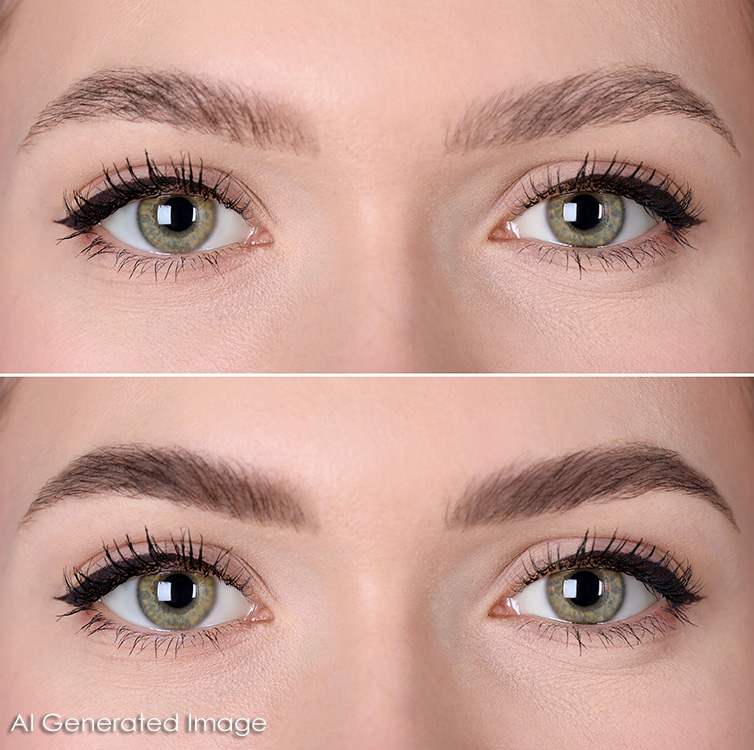
Common Causes of Eyebrow Thinning
Eyebrow loss is medically distinct from scalp hair loss and is often multifactorial. Common contributors include:
- Genetics (naturally sparse brows)
- Over-plucking or waxing over many years
- Aging and hormonal changes
- Inflammatory or autoimmune conditions (e.g., alopecia areata, frontal fibrosing alopecia)
- Thyroid disease
- Scarring from trauma, surgery, or burns
- Post-pregnancy or postpartum changes
Understanding why the brows are thinning is critical—some causes respond well to medical therapy, while others do not.

Medical Therapy for Eyebrow Regrowth
1. Minoxidil (topical and oral)
Minoxidil is commonly used off-label to increase eyebrow density by stimulating miniaturized or dormant follicles.
Topical minoxidil
- Applied carefully to the brow region (typically once daily)
- May help thicken existing hairs and improve density over time
- Must be used cautiously due to proximity to the eyes
Oral minoxidil (low dose)
- Sometimes used when patients are already on systemic therapy for scalp hair
- Can improve eyebrow density indirectly
- Requires medical oversight due to systemic effects
Important limitations
- Minoxidil does not create new follicles
- Areas with true follicle loss (scarring or long-standing over-plucking) may show little or no response
- Results typically take 3–6 months, with continued improvement up to a year
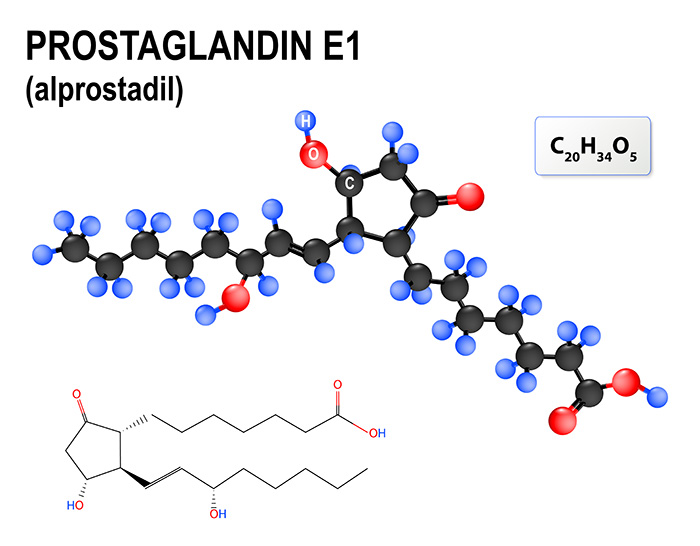
2) Prostaglandin analogs (bimatoprost / latanoprost)
Prostaglandin analogs are among the most commonly used medical treatments for eyebrow enhancement, based on their well-documented effects on eyelashes.
Potential benefits
- Increased hair length, thickness, and pigmentation
- Particularly helpful when eyebrow hairs are present but thin or light
Key considerations
- Off-label use requires proper formulation and dosing
- Overuse or improper application can cause irritation or pigment changes
- Results are gradual and vary between individuals
These medications are best used under physician guidance rather than cosmetic or DIY protocols.
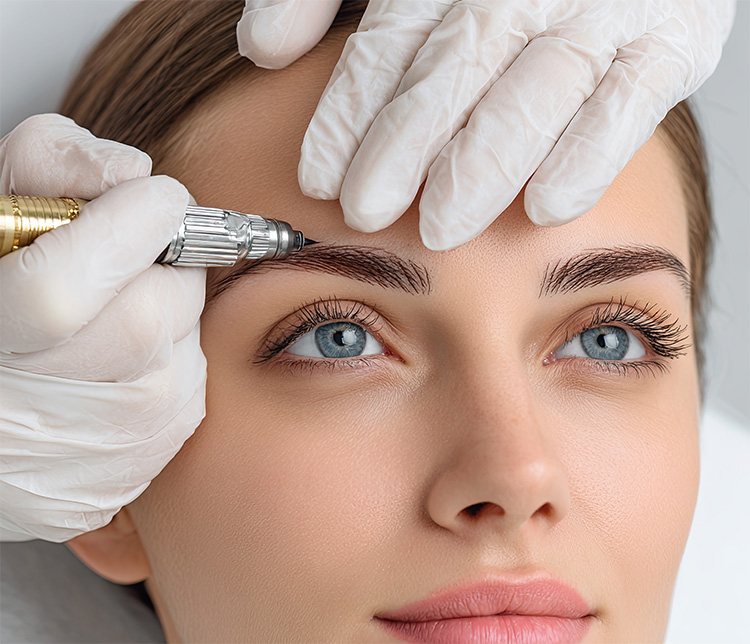
Microblading
Microblading is a semi-permanent cosmetic tattooing technique that creates the appearance of eyebrow hairs using pigment deposited into the skin.
Pros
- Immediate visual improvement
- Can restore shape and symmetry even when little or no hair remains
- Useful when medical therapy is unlikely to work (e.g., scarring alopecia)
Limitations
- Does not create real hair
- Pigment can fade, blur, or change color over time
- Requires maintenance and touch-ups
- Results depend heavily on the skill and aesthetics of the provider
Microblading can be an excellent cosmetic solution, but it should be viewed as camouflage—not restoration.
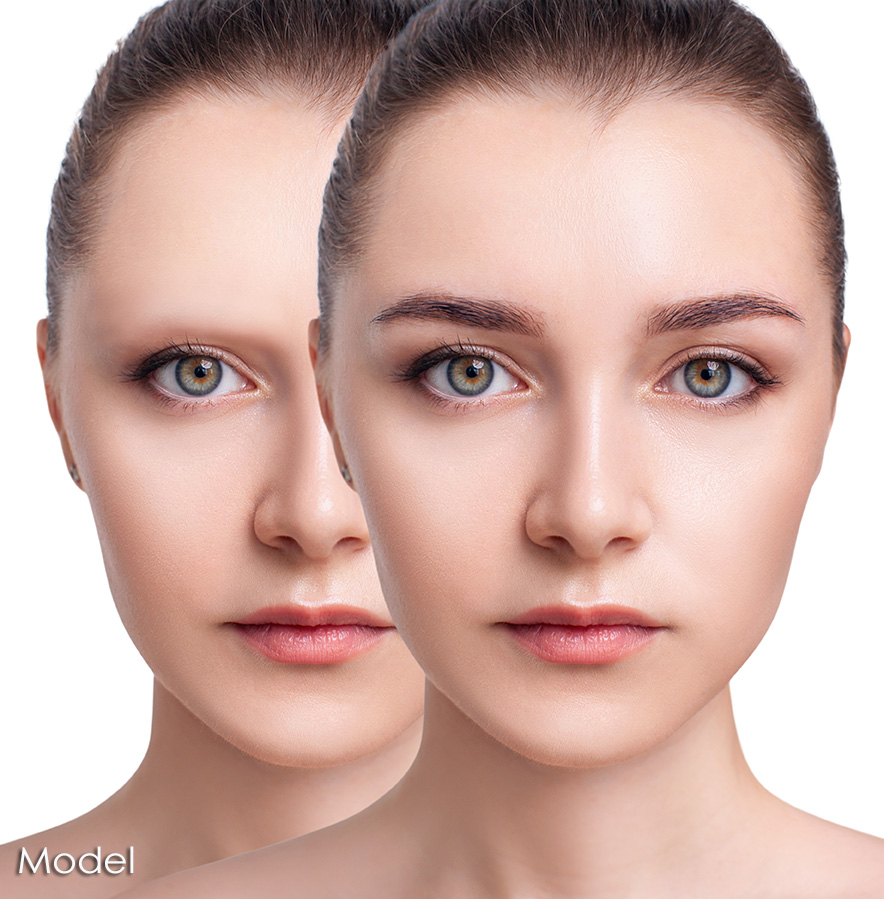
Eyebrow Surgical Hair Restoration
Eyebrow Hair Transplant: Moving Scalp Hair to the Eyebrows
Eyebrow transplantation involves relocating hair follicles—most often from the scalp—into the eyebrow region.
How it works
- Hair is harvested (typically via FUE)
- Grafts are placed at extremely shallow angles to mimic natural eyebrow growth
- Each hair must be oriented precisely to avoid an unnatural appearance
Critical considerations
- Hair remains scalp hair and will grow longer than natural eyebrow hair, requiring regular trimming
- Direction, angle, and spacing are far more important than density
- Over-dense placement can look artificial
Who may benefit
- Patients with permanent eyebrow loss from scarring or over-plucking
- Those who want a permanent solution rather than pigment
- Patients willing to accept ongoing grooming.
This is a technically demanding procedure where the surgeon's experience matters greatly.
Combining approaches
In practice, eyebrow restoration often involves layered strategies, such as:
- Medical therapy to maximize native hair
- Microblading for shape and cosmetic density
- Surgery reserved for select cases where follicles are truly absent
There is no single “best” option—only the option that best matches your biology, goals, and tolerance for maintenance.
Setting realistic expectations
Eyebrows are unforgiving from an aesthetic standpoint. Small mistakes in placement, angle, or density are immediately visible. The best outcomes occur when:
- The underlying cause of eyebrow loss is identified
- Treatment is conservative and staged
- Cosmetic and medical solutions are not confused with permanent biological change
If a claim sounds too fast or too dramatic, it usually is.
Learn more
If you’re considering eyebrow restoration, it’s reasonable to discuss:
- Whether follicles are still present or permanently lost
- Expected timelines for medical therapy
- Risks and maintenance associated with microblading
- Whether surgical restoration would look natural given your hair characteristics