
FUE Hair Transplant + Medical Hair Loss Therapy
Patient Profile
-
Age: Late 20s
-
Diagnosis: Androgenetic alopecia
-
Pattern: Norwood Class V
-
Primary Concern: Progressive hair loss at a young age, with a desire to keep hair short
Background
This patient began experiencing significant hair loss in his early 20s, progressing to a Norwood 5 pattern. He had previously tried an online hair loss treatment program (Keeps), which provided some initial improvement. However, after discontinuing therapy, his hair loss continued to progress.
At presentation, the degree of hair loss raised concern that he might require a large hair transplant procedure to achieve meaningful cosmetic improvement.
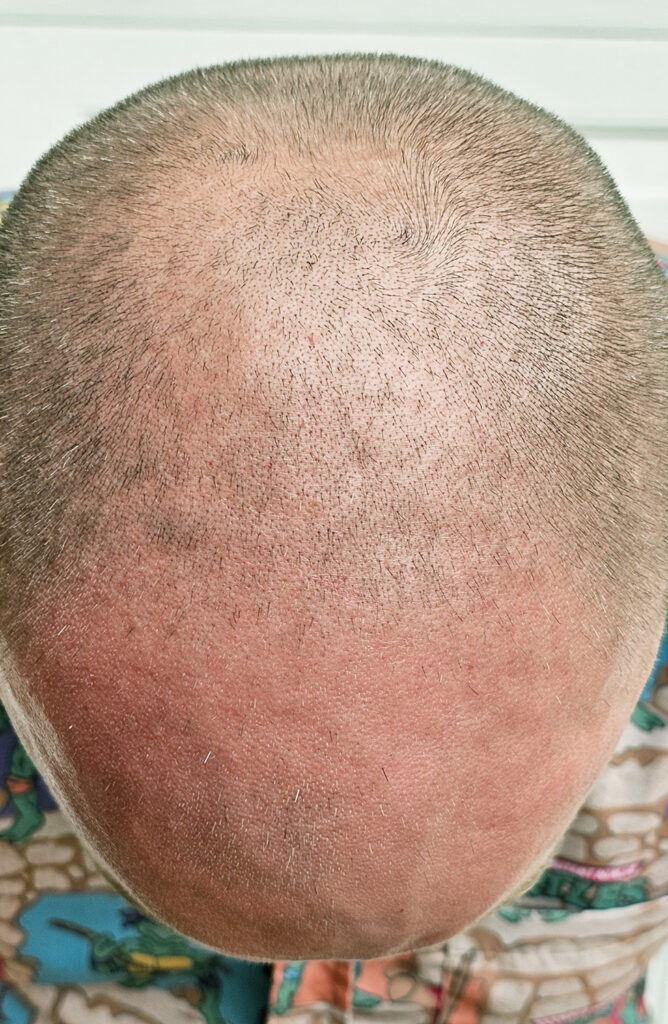
Patient before treatment.
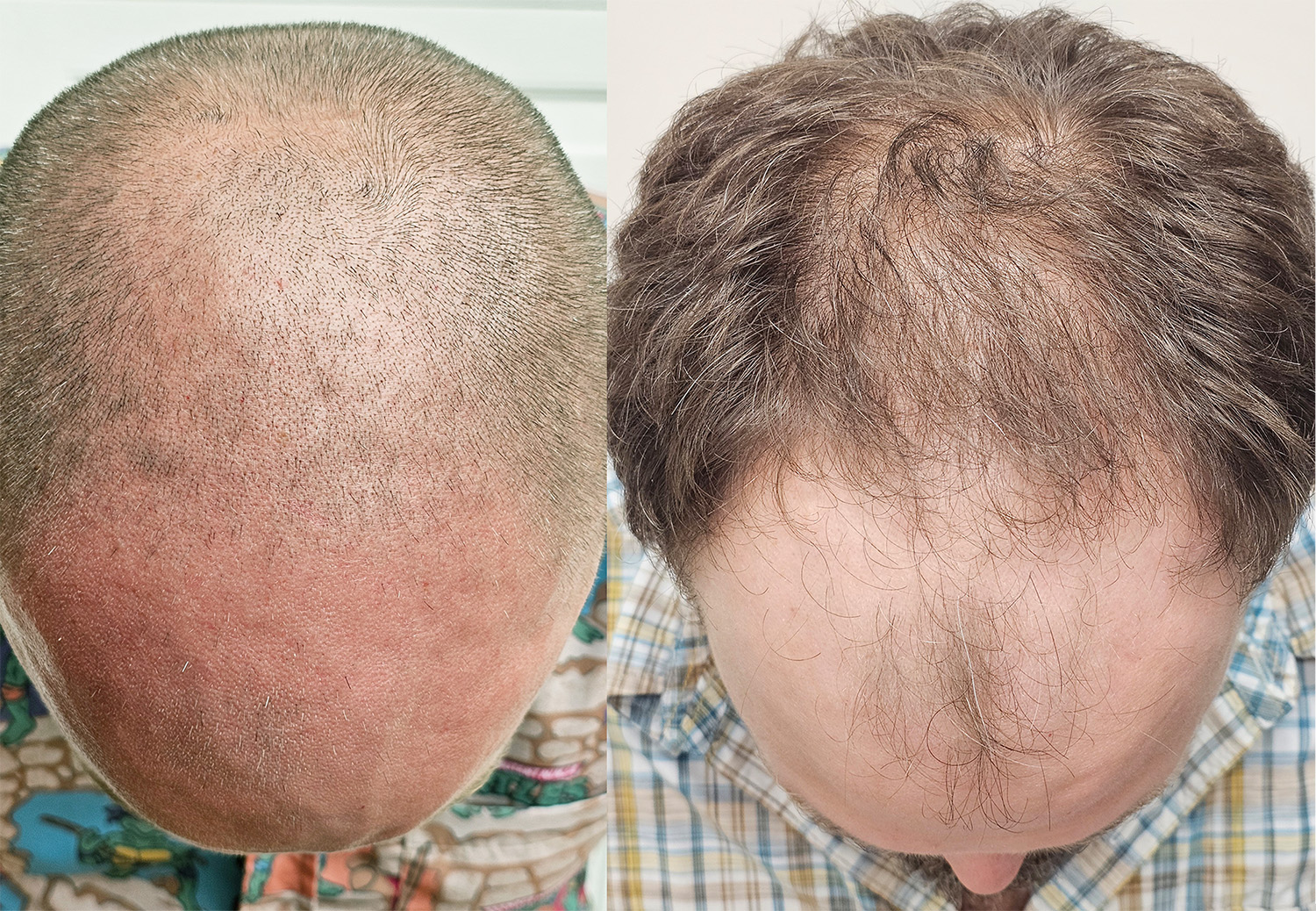
Before and after medical therapy. Positive hair regrowth in the crown and mid-scalp.
Medical Hair Loss Therapy
Before proceeding with surgery, we restarted the patient on aggressive but simplified medical therapy, consisting of a once-daily oral capsule containing minoxidil and dutasteride.
After four months of consistent treatment, the patient demonstrated meaningful regrowth, recovering over 50% of previously lost hair. This response significantly changed the overall treatment plan.
Most areas of thinning responded well to medical therapy. The frontal hairline, however, showed limited improvement and remained the patient’s primary cosmetic concern.
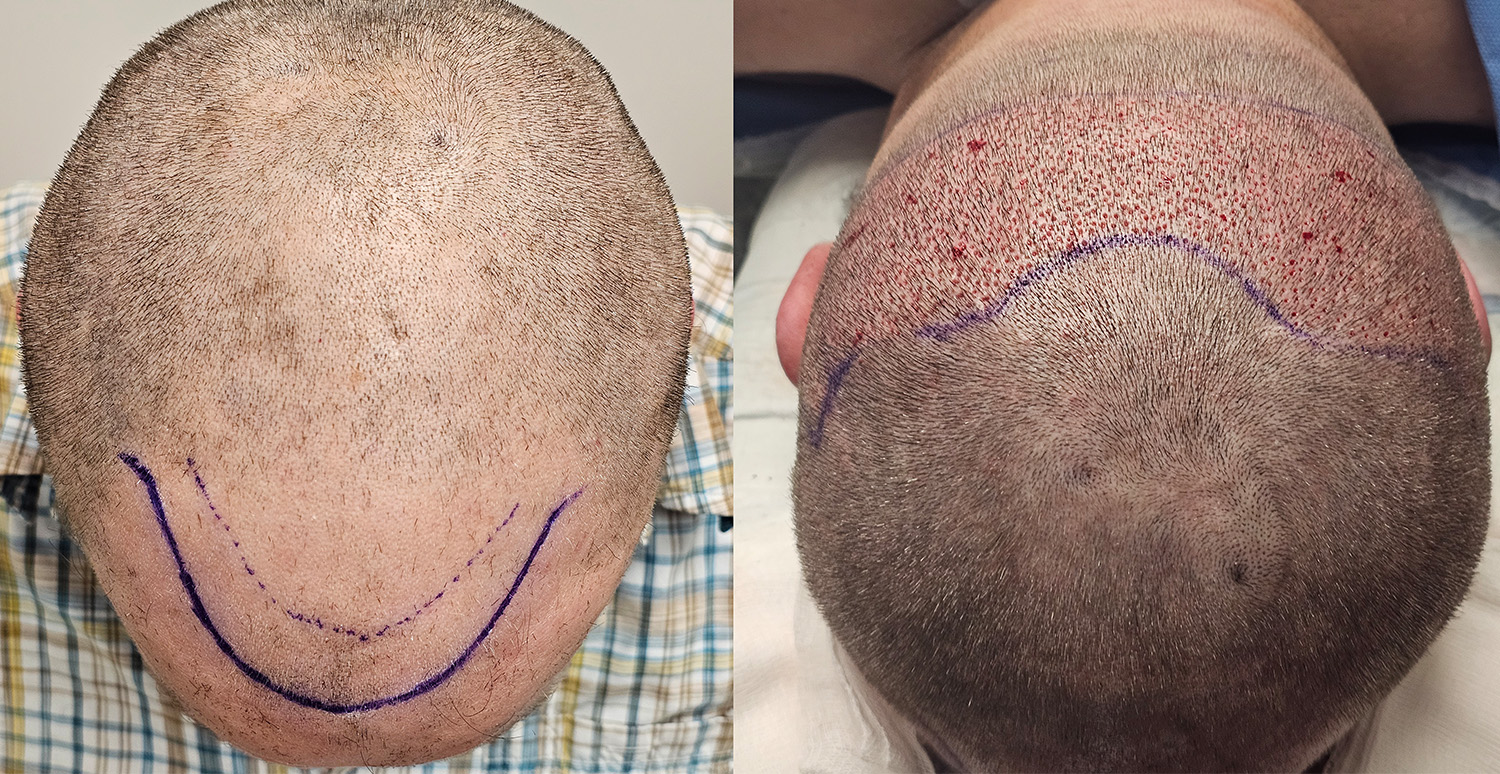
Recipient area with hairline marked out and donor area after FUE harvest.
Surgical Plan
Given the strong response to medical therapy and the patient’s preference to wear his hair short, we elected to perform a targeted FUE procedure focused solely on refining the frontal hairline rather than a large-scale transplant.
-
Technique: Follicular Unit Excision (FUE)
-
Device: WAW FUE system
-
Grafts Placed: 1,380
-
Treatment Area: Frontal hairline only
This conservative approach allowed for natural density and appropriate hairline framing while preserving donor reserves for the future.
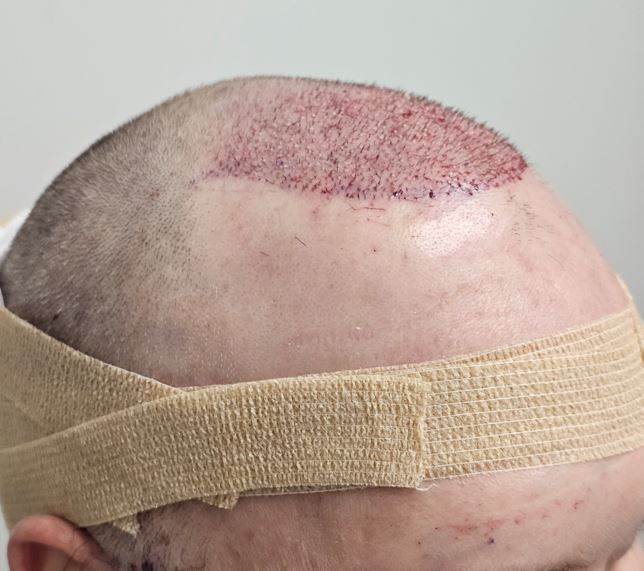
Grafts in place immediately post-op.
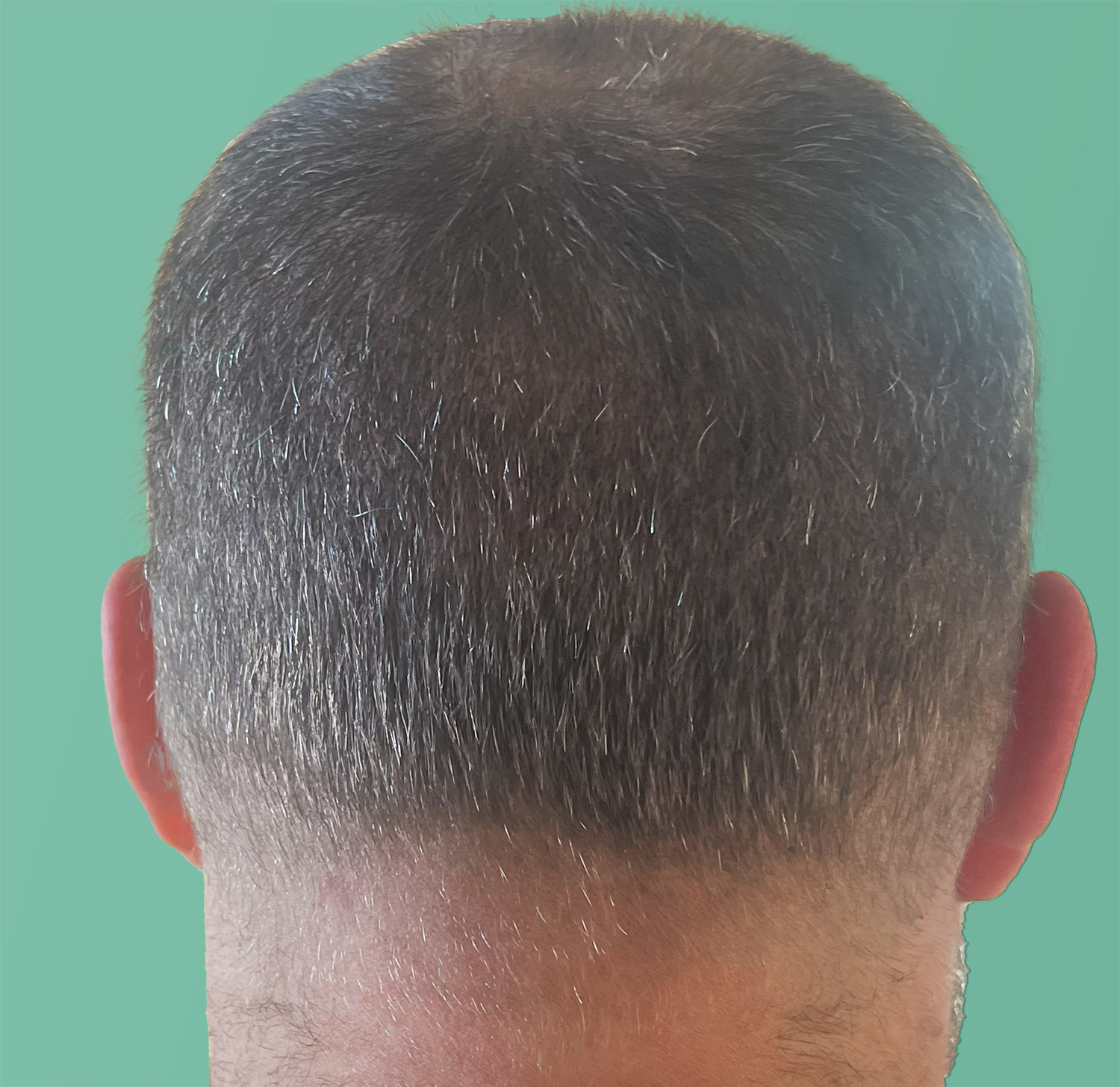
Donor area 3 weeks post-op
Outcome
By combining effective medical therapy with a precisely planned FUE procedure, we achieved a natural and age-appropriate result without unnecessary graft usage. Medical therapy dramatically reduced the extent of surgery required and improved overall hair quality, while FUE addressed the one area that did not adequately respond to medication alone.
Key Takeaway
This case highlights the importance of optimizing medical hair loss therapy before surgery, especially in younger patients. In many cases, effective medical treatment can significantly reduce the size of a transplant—or even delay the need for one—while improving long-term outcomes.