
Our Hair Restoration Blueprint for Women
A comprehensive, physician-designed strategy for hair loss
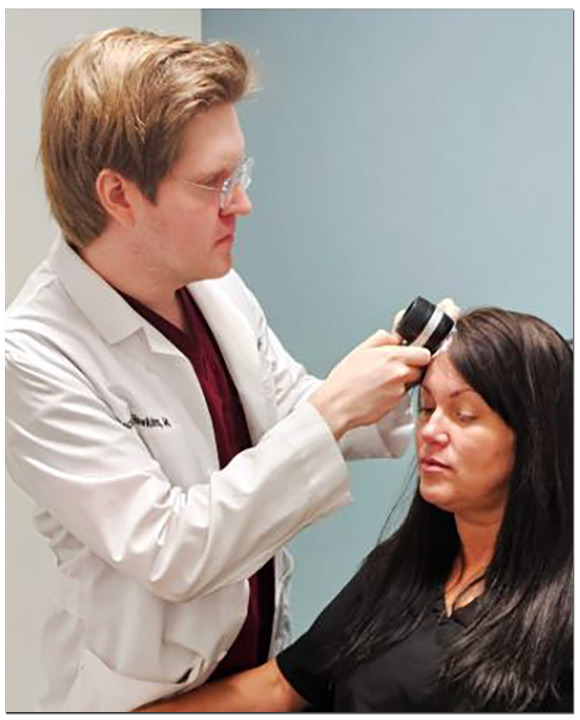
A Physician-Designed, Biology-First Strategy for Female Hair Loss
Female hair loss is complex, multifactorial, and often progressive.
The HMI Blueprint™ for Women is a scientific framework that treats hair loss as a medical condition requiring diagnostic clarity and long-term strategy.
Rather than offering generic solutions or cosmetic fixes, the Blueprint integrates medical stabilization, regenerative therapy, daily optimization, and surgical restoration when appropriate into a unified, individualized plan.
A Smarter Way to Treat Women’s Hair Loss
Women’s hair loss is rarely caused by a single factor—and it should never be treated with a one-size-fits-all solution.
The HMI Blueprint™ focuses on identifying underlying biological drivers, stabilizing active loss, and supporting long-term follicular health.
The goal is not temporary volume, but sustainable density, natural appearance, and preserved options as physiology evolves.
The Four Pillars of the HMI Hair Restoration Blueprint™
Each pillar addresses a different aspect of the hair loss biology process.
Together, they create a comprehensive, adaptable plan.

Medical Stabilization
Slows or halts hair loss by protecting follicles from ongoing miniaturization. May stimulate modest regrowth in select follicles.

Regenerative Therapy
Improves scalp health and blood flow, helping dormant follicles restart growth when medication alone isn’t enough.

Daily Optimization
Provides incremental daily support for patients who want to do everything possible.

Surgical Integration
Introduces new healthy, donor-dominant hair follicles at the right time—not as a first step.
Medical Stabilization & Diagnostic Precision
UNDERSTANDING WHY HAIR LOSS IS OCCURRING COMES FIRST.
Female hair loss may be driven by hormonal shifts, metabolic changes, inflammatory conditions, nutritional deficiencies, or life-stage transitions. Multiple factors often coexist.
HMI begins with a comprehensive clinical evaluation to determine whether hair loss is active, progressive, or self-limited, and to identify contributing drivers such as:
- Female pattern hair loss (FPHL)
- Telogen effluvium (stress, illness, weight loss)
- Hormonal imbalance (PCOS, thyroid dysfunction, perimenopause, menopause)
- Nutritional deficiencies
- Autoimmune or inflammatory scalp conditions
- Postpartum or medication-related shedding
Medical stabilization focuses on calming active shedding, correcting deficiencies, addressing hormonal drivers when appropriate, and preserving native hair.
Regenerative Hair Therapy
OPTIMIZING THE SCALP ENVIRONMENT TO SUPPORT HEALTHIER HAIR.
Once active drivers are addressed, regenerative therapies are used to improve the scalp's cellular and vascular microenvironment through targeted, in-office procedures.
- Fractional non-ablative laser therapy using a Lumenis 1565nm platform
- Heat shock protein activation to improve follicular resilience
- Microneedling-induced growth factor release
- Exosomes for concentrated biologic signaling
These therapies strengthen existing follicles, improve blood supply, and support thicker, healthier hair—especially for women who are not surgical candidates.
Daily Optimization
INCREMENTAL SUPPORT FOR PATIENTS WHO WANT TO DO EVERYTHING POSSIBLE.
Supporting progress through consistency.
Hair growth is slow, cyclical, and influenced by daily inputs. For patients who want comprehensive care, the HMI Blueprint™ includes a Daily Optimization layer to reinforce in-office treatment and support long-term stability.
- Home-based low-level light therapy
- Targeted nutraceutical support
- Professional-grade scalp care systems
These interventions provide incremental benefit and improved consistency, but they are not substitutes for medical stabilization when hair loss is active.
Surgical Integration
A MILESTONE - NOT A STARTING POINT. SELECTIVE, CONSERVATIVE, AND BIOLOGICALLY INFORMED.
Hair transplantation in women is fundamentally different from that in men and is not appropriate for every diagnosis.
Surgical consideration occurs only after:
- Hair loss patterns are clearly defined
- Medical stabilization is established
- Long-term donor and recipient viability is confirmed
When performed within a biologically optimized scalp, surgical restoration can improve density while maintaining a natural appearance.
The HMI Difference for Women
HMI does not treat women’s hair loss as a cosmetic concern. We treat it as a medical condition with emotional impact that requires precision, honesty, and individualized care.
The HMI Blueprint™ prioritizes:
- Diagnostic clarity over assumptions
- Long-term follicular health over short-term volume
- Conservative, sustainable outcomes over aggressive intervention.

A Smarter Way to Treat Hair Loss
If you’re looking for a physician-guided, long-term strategy—rather than a one-size-fits-all solution—the HMI Blueprint™ for Women offers a more intelligent path forward.