
Understanding Hair Loss: Causes, Types, and Treatment Options
Hair loss is one of the most common concerns for both men and women, affecting millions of people worldwide. While it can be emotionally distressing, the good news is that most forms of hair loss are treatable, especially when properly diagnosed early. Understanding what causes hair thinning or balding is the first step toward choosing the right solution.
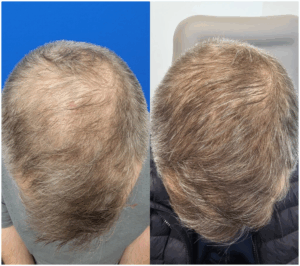 Hair Loss in Men: Androgenetic Alopecia (Male Pattern Baldness)
For men, most hair loss cases—over 90%—are caused by androgenetic alopecia, commonly known as male pattern baldness.
This hereditary condition occurs when hair follicles become sensitive to a hormone called DHT (dihydrotestosterone). Over time, the follicles gradually shrink, producing thinner, shorter hairs until growth stops completely.
Common Signs of Male Pattern Hair Loss
- Receding hairline (often forming an “M” shape)
- Thinning in the crown or “vertex”
- Widening areas of scalp visibility
- Gradual progression based on the Norwood Scale
Although genetic, its severity and progression vary greatly from person to person. The earlier it is evaluated, the more effectively it can be managed.
Hair Loss in Women: More Complex, More Variable
Women also experience hereditary thinning—called female pattern hair loss—but the pattern differs from men.
Female Pattern Hair Loss
Genetic thinning in women typically presents as:
- Gradual widening of the part line
- Diffuse thinning across the top of the scalp
- Preservation of the frontal hairline
While genetics plays a significant role, women’s hair loss is far more likely than men’s to be influenced by other medical or hormonal factors.
Other Causes of Hair Loss in Women
Women may experience hair shedding or thinning for various reasons. Common contributors include:
Hormonal Changes
- Menopause
- Postpartum shedding
- Thyroid imbalance
- Birth control changes
Health or Medical Conditions
- Iron deficiency or anemia
- Autoimmune disorders (such as alopecia areata)
- PCOS (polycystic ovary syndrome)
- Chronic illness or high fever
Stress & Lifestyle Factors
- Telogen effluvium (stress-related shedding)
- Crash dieting or poor nutrition
- Harsh chemical treatments or tight hairstyles are causing traction alopecia
Because numerous factors may be involved, women often require a more detailed medical evaluation and laboratory testing before a diagnosis is made.
Is All Hair Loss Permanent?
Not necessarily. Some forms of hair loss, such as telogen effluvium, are temporary and reversible. Others, like androgenetic alopecia, are progressive but manageable with early and consistent treatment.
Available Treatments for Hair Loss
Modern hair restoration offers a wide range of solutions depending on the cause, including:
Medical Therapies
- Topical or oral minoxidil
- Finasteride and dutasteride (for men only unless physician-directed)
- Low-level laser therapy
- Nutritional optimization and supplements
Procedural Solutions
- FUE and FUT hair transplantation
- PRP (Platelet-Rich Plasma) therapy
- Scalp micropigmentation
The right treatment (or combination of treatments) depends on the type and stage of hair loss, as well as your long-term goals.
When to See a Hair Restoration Specialist
If you’re noticing:
- Increased shedding
- Thinning at the crown or part line
- Recession at the temples
- A family history of hair loss
- Sudden or patchy bald spots
…then a professional evaluation is recommended. Early diagnosis leads to better results and more treatment options.
Take the First Step Toward Restoring Your Hair
Hair loss isn’t something you have to “just live with.” Whether you're experiencing thinning due to genetics, hormones, or other factors, effective treatments are available—and most patients see meaningful improvement with proper care.